
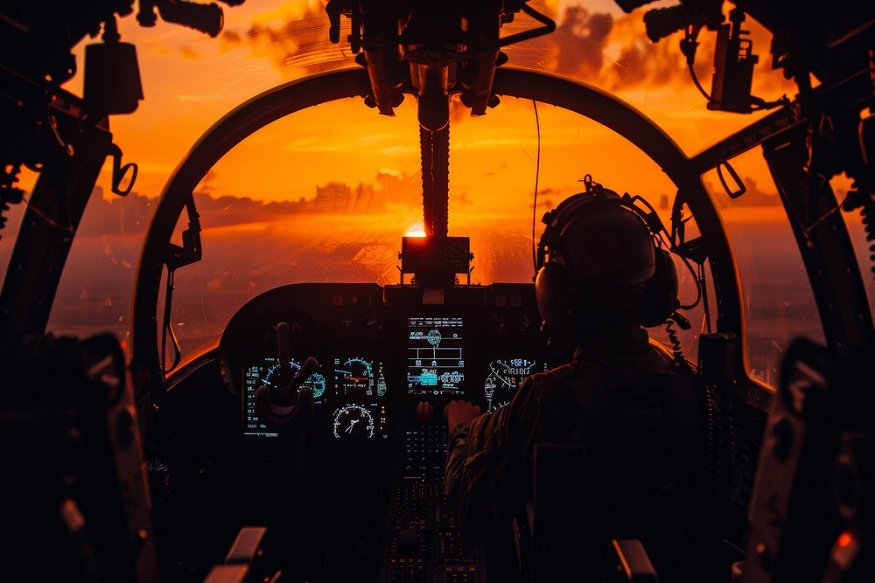
Walk onto any commercial flight and you know what you’ll find. Rows of seats. Overhead bins. Maybe a screen showing safety videos nobody watches. Now step inside a medical evacuation helicopter or military transport. Everything changes. The plastic and fabric disappear. Metal and Kevlar take over. These aircraft don’t ferry tourists to beaches. They pull wounded soldiers from battlefields and pluck victims from disasters.
Built for Purpose, Not Comfort
Airlines care about two things. Filling seats and keeping costs down. So they pack in passengers like sardines with wings. Tray tables fold down just far enough to hold a drink. Armrests remain slim to fit in additional seats. Airlines know you’ll put up with some discomfort as long as the price is cheap.
Read More: Why Online Food Delivery in Trains Is Changing the Travel Experience in India
Mission aircraft designers think differently. They start with the job and work backwards. Search and rescue birds need room for basket stretchers and medical gear. Combat transports get reinforced floors that handle armored vehicles. Air ambulances are basically flying trauma centers. Nobody asks about legroom when you’re bleeding out at 10,000 feet.
Weight obsession borders on paranoia in specialized aviation. That fancy leather seat in first class? Too heavy. The wood paneling in private jets? Forget it. Mission aircraft use materials that cost fortunes but save pounds. Titanium here. Carbon fiber there. Some operators weigh paint samples before choosing colors. Ten extra pounds might mean leaving critical medical supplies behind.
Protection Levels That Match the Mission
Your typical Boeing has seat belts, life vests, and those yellow masks that drop from the ceiling. Great for engine failures over Cincinnati. Useless when people start shooting at you. Mission aircraft play by different rules. Ground fire threatens medical helicopters evacuating casualties from hot zones. These aircraft need the best ballistic protection systems for aircraft money can buy. LifePort builds armor that stops rifle rounds without turning helicopters into bricks. The protection extends everywhere. Floors that deflect blasts from below. Seats that absorb crash forces that would snap commercial versions like twigs. Windows made from materials that laugh at shrapnel.
Fire kills aircraft fast. Commercial planes carry extinguishers and hope for the best. Military transports install suppression systems that activate automatically. Sensors detect heat spikes in milliseconds. Foam floods compartments before flames spread. Some aircraft keep flying with half their systems burned out. Try that in a passenger jet.
Equipment Integration That Works
Airlines bolt seats to floor tracks and call it done. Mission aircraft hardwire equipment into their bones. That heart monitor on the wall? It pulls power from the same system that runs navigation. The communication gear? Tied directly into the aircraft’s main computer. Everything talks to everything else. Making this work takes months of planning. Engineers trace every wire. They test equipment in pressure chambers that simulate high altitude. Things that work perfectly at sea level go haywire at 20,000 feet. Blood pressure monitors give false readings. Ventilators fail to deliver enough oxygen. Mission planners can’t discover these problems during actual emergencies.
Read More: Why Dune Bashing in Dubai Feels Like the Only Time the Desert Actually Fights Back
Morning brings a medical evacuation. Afternoon means hauling cargo. Evening requires troop transport. Same aircraft, different configuration. Seats disappear into wall recesses. Medical gear locks into ceiling mounts. Cargo nets emerge from hidden compartments. Crews reconfigure entire cabins in minutes, not hours.
Conclusion
Standard and mission aircraft barely belong in the same category anymore. One moves people who chose to fly. The other serves people who have no choice. Commercial aviation keeps pushing comfort and entertainment. Mission aircraft keep pushing survival rates. Passengers complain about legroom and snack selection. Mission crews worry about armor thickness and trauma kit placement. Both matter, but only one matters when seconds count and failure means death.